

UA expands startup support with new incubation model
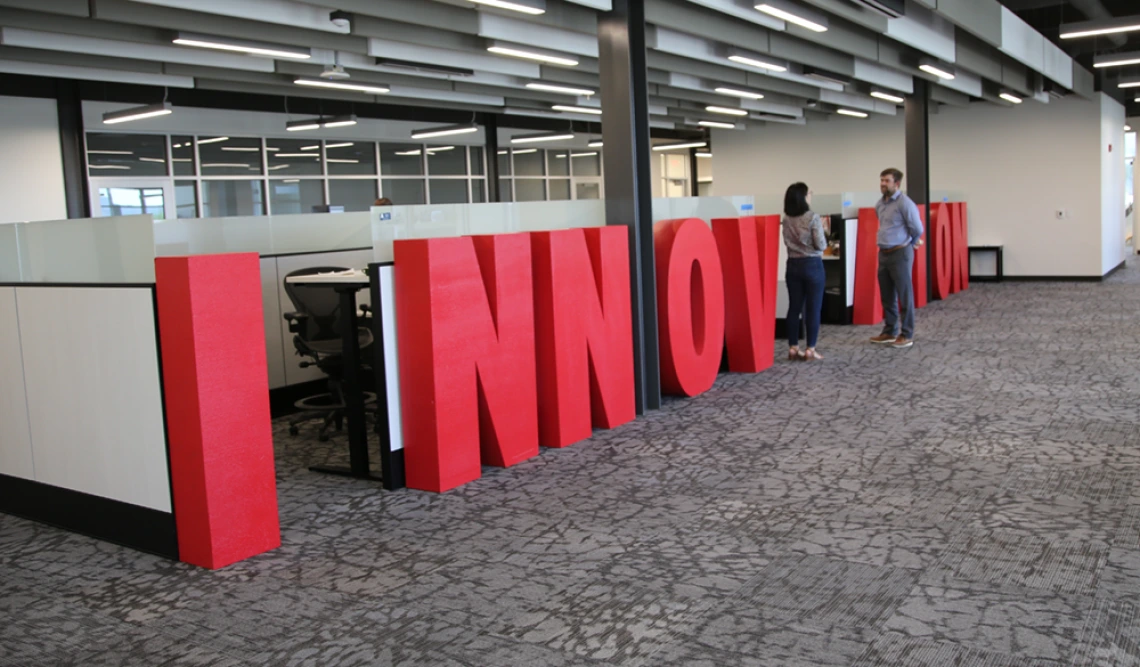
The University of Arizona, a recognized leader in generating new technologies and high-tech startups, has expanded and realigned its resources to deliver focused incubation services for early-stage companies built on UA intellectual property. Two key players in this effort — Tech Launch Arizona (TLA), which identifies, protects, and commercializes UA innovations and has helped launch over 160 startups since 2013, and the University of Arizona Center for Innovation (UACI), the university’s long-standing incubator serving companies worldwide — have collaborated for years to create a seamless support system for UA IP-based startups. To meet the growing needs of the innovation ecosystem and rising entrepreneurship within the university, TLA is launching a dedicated incubator for UA-affiliated startups, while UACI will continue to focus on supporting community-based science and technology ventures.
This strategic realignment reflects the expansion of the ecosystem and the university’s growing focus on maximizing the success of its startups and the impact of innovation stemming from research.
“This growth into the incubation space is a natural and logical step for TLA,” said Derick Maggard, director of startup incubation and growth, who leads the new TLA incubator team. “Our startup incubation program leverages our existing relationships with the startup teams moving through our Venture Development program, bringing a deep wealth of experience and connections to working with these early-stage high-tech and deep-tech companies.”
Since startup teams will already have gone through the TLA process as they move through IP protection, licensing and launching a company, moving on to incubation will be a seamless and targeted experience.
“Our incubation program is built to help university startups become investor-ready,” Maggard said. “Great technology needs a clear, complete business model to secure capital and reach the market. Our programs, from founder roundtables, continued mentorship, and guided work on the full Business Model Canvas, give startups the structure, feedback and support they need to move beyond early assumptions and build a plan that investors can confidently back.”
Under the leadership of Executive Director Casey Carrillo, UACI will continue to support science and technology startups from the southern Arizona region and around the globe through its 28-point Program Roadmap© and access to subject matter experts and mentors-in-residence.
“Our commitment to empowering business growth and success remains at the heart of what we do,” said Carrillo. “UACI aligns closely with the University of Arizona’s land-grant mission — ensuring accessibility to tribal, rural, and urban communities to create opportunities that uplift the potential of every entrepreneur we serve and fuel the Arizona economy through economic development.”